
When Free, Prior and Informed Consent is led by the community, not performed on them.
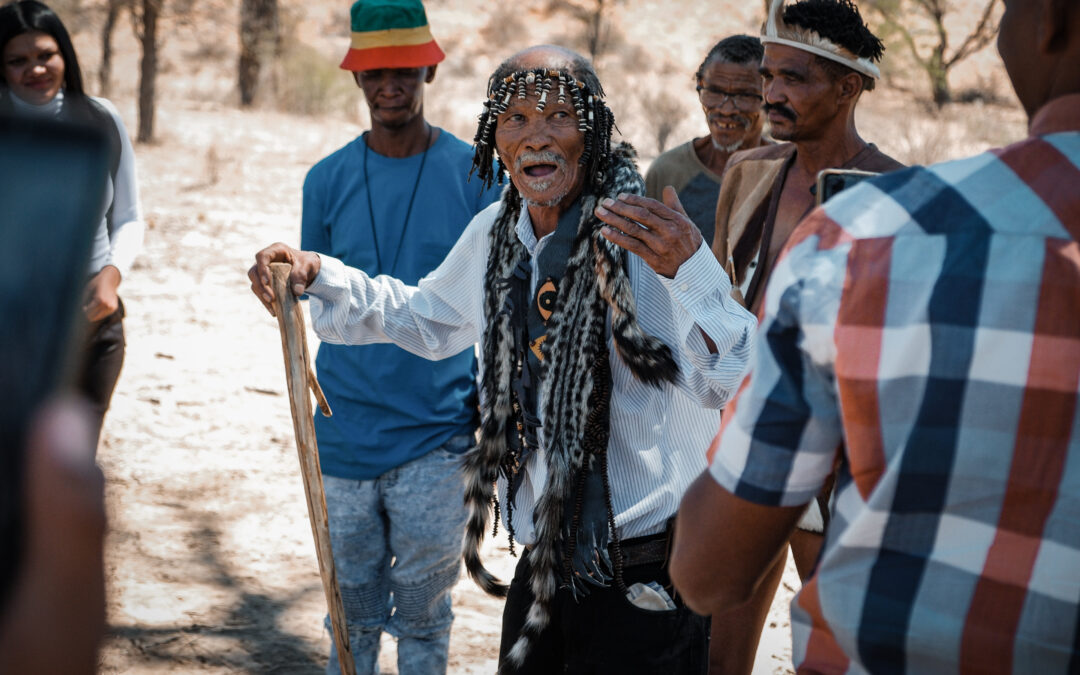
A coastal IPLC in Southern Africa was told a “low-impact” project would begin within weeks. Elders insisted on protocol first: a gathering under the big fig, with lineage holders, youth fishers, and harvesters present. They set out their decision-making steps and sacred sites on a hand-drawn map, then issued a written community protocol and invited the proponent to follow it. When the company pushed ahead without meeting the protocol, local advocates filed for an urgent pause. The court agreed: no FPIC, no project.
What changed
- The state and company recognised the community’s own process as legitimate, not a checkbox meeting.
- Time and space were created for culturally grounded impact assessment of rivers, dunes, and spawning grounds.
- A public record now affirms that customary law has force in environmental decisions.
Three takeaways
- FPIC starts before any meeting notice; it starts with community protocols that set the rules of engagement.
- Evidence is biocultural: eco-calendars, sacred site maps, and livelihood diaries carry legal weight when documented well.
- Litigation works best when it’s the last step in a broader strategy of organising, documentation, and policy advocacy.
How ACRRA supports
- Co-designing community protocols and FPIC checklists.
- Training youth monitors to document seasonal cycles and sites.
- Strategic cases that set region-wide precedents while protecting communities on the ground.
Want more stories like this — plus practical tools and case alerts? Subscribe to ACRRA Notes for brief, Indigenous-led updates on climate justice across Southern Africa.